Beyond the Galleries: A Local's Guide to Ottawa's Outdoor Art

Ever find yourself wandering Ottawa, admiring its beauty, and thinking there's more to discover than just the Parliament Buildings or the Rideau Canal? You're right. Our city's vibrant public art scene offers a fantastic way to uncover hidden gems, explore neighborhoods with fresh eyes, and connect with Ottawa’s rich cultural narrative. This guide will walk you through how to find these artistic treasures, understand their significance, and make your next stroll through the capital an enriching experience. It's about seeing our city not just as a place, but as an open-air gallery.
Where Can I Discover Ottawa's Public Art Treasures?
Ottawa’s public art isn't confined to a single district; it’s woven into the very fabric of our communities, waiting to be found in parks, plazas, and even on building facades. The key to discovering these pieces is knowing where to look and being open to serendipitous encounters.
Downtown, around Parliament Hill and Confederation Square, you'll find more traditional, often commemorative, sculptures and monuments. These pieces frequently honor historical figures or significant events, speaking to Canada's past. The National War Memorial, for example, is a powerful and somber piece, but there are also more nuanced works that invite quiet contemplation.
Venture into the ByWard Market, and the art scene shifts dramatically. Here, you'll encounter a livelier, more contemporary collection. Keep an eye out for the whimsical bronze "Alley Cats" playfully scattered around the Murray Street parking garage—a delightful surprise for those who notice them. The "Dancing Bear" in Jeanne d'Arc Courtyard adds a touch of joy and is a popular photo op. This area thrives on street art, with murals transforming otherwise plain walls into vibrant stories.
Beyond the core, neighborhoods like The Glebe and Westboro Village have embraced murals as a way to express their unique character. The Glebe, in particular, boasts an "Ultimate Glebe Mural Walk" along Bank Street, where you can follow a path of diverse artistic expressions. Westboro's "Westboro Walls" feature large-scale works by local artists, often depicting natural elements or community life, adding splashes of color and creativity to everyday streets.
For those interested in exploring further afield, the City of Ottawa maintains an extensive public art collection displayed across municipal buildings, community centers, and parks. Sometimes, the most unexpected places hold the most engaging art. A local park might feature an abstract sculpture designed to blend with its natural surroundings, offering a moment of unexpected beauty during a morning walk.
The National Capital Commission (NCC) also plays a significant role in managing monumental and commemorative works on federal lands throughout the Capital Region. Their efforts ensure that many iconic pieces, from grand sculptures to thought-provoking installations, are preserved and accessible. Exploring areas like LeBreton Flats, which often features temporary contemporary installations, or Kìwekì Point, with its meaningful layered metal elements by Algonquin artists, can be incredibly rewarding. These sites often provide a blend of natural beauty and artistic expression.
What Kind of Public Art Will I Find Across Ottawa?
Ottawa’s public art scene is as diverse as its population, encompassing a wide range of forms, styles, and themes. You’ll find everything from classical sculptures that evoke a sense of history to avant-garde installations that challenge perceptions.
Sculptures and Monuments: These are perhaps the most recognizable forms of public art. They vary greatly, from the grand, bronze figures commemorating historical events or individuals to abstract, modern pieces that play with form and space. The iconic "Maman" (The Giant Spider) outside the National Gallery of Canada is a prime example of a contemporary sculpture that has become a landmark in its own right—it’s massive and certainly leaves an impression.
Murals: Murals bring life to otherwise blank walls, transforming urban spaces into vibrant canvases. These can range from realistic depictions of local history and culture, such as those found in Little Italy celebrating its heritage, to abstract explosions of color and form. Many murals tell stories, offering a visual narrative of the community they inhabit. They are often dynamic, changing over time as new artists contribute to the urban landscape.
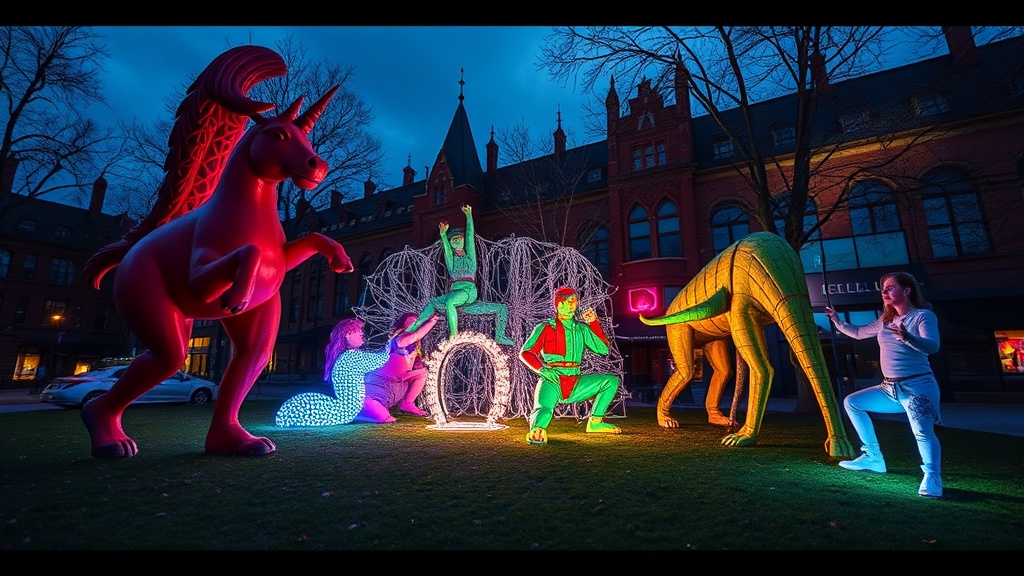
Installations: Public art installations are often more temporary or site-specific, designed to interact with their environment in unique ways. These pieces might use light, sound, or unusual materials to create an immersive experience. They encourage engagement and often spark conversation, prompting viewers to consider new ideas or perspectives. Think of the temporary pieces that pop up in places like LeBreton Flats, inviting passersby to pause and reflect.
Memorials and Commemorative Works: Beyond traditional monuments, Ottawa hosts many significant memorials that are deeply rooted in national identity and shared experience. The 2SLGBTQI+ National Monument, currently in development, is an example of how public art can serve as a powerful symbol of recognition and remembrance for specific communities.
Themes across Ottawa's public art are broad. You'll see strong representations of Indigenous culture and history, often integrated into significant public spaces, reflecting the city's place on unceded Algonquin Anishinabeg territory. There are also works celebrating Canada's multiculturalism, its natural environment, and the everyday lives of its citizens. The art often speaks to our collective past, present, and future, making each piece a potential conversation starter.
How Can I Make the Most of My Public Art Exploration?
Exploring Ottawa’s public art is more than just looking at statues; it’s an active process of discovery. With a little planning and an open mind, you can turn a simple walk into a fascinating artistic adventure.
Plan Your Route, But Allow for Spontaneity: While you can certainly download maps or follow curated walks—the City of Ottawa provides helpful resources, and sites like