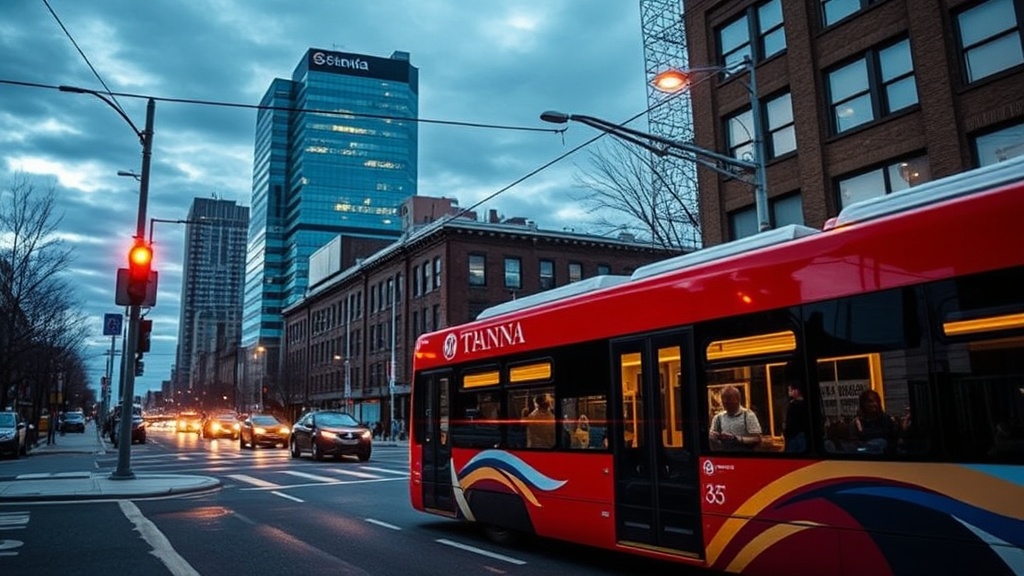
Settling into a New Ottawa Neighbourhood: A Local Guide to Transit and Services

Nearly 40% of Ottawa residents rely on public transit for their daily commutes, making the ability to move through our city effectively a vital skill for anyone moving here. Whether you're moving into a condo in the Glebe or a single-family home in Kanata, understanding how our local systems work will save you countless hours of frustration. This guide covers the practical steps for integrating into your new Ottawa community, from mastering the OC Transpo network to finding your local community centre.
Moving to a new area in Ottawa involves more than just unpacking boxes. You have to learn the rhythm of your specific neighbourhood. A person living in the ByWard Market will have a vastly different daily routine than someone living in Orleans. We've seen many newcomers struggle because they try to treat the city like a single unit, rather than a collection of distinct, interconnected pockets with their own unique transit patterns and service availability.
Where can I find the best transit connections in my new area?
The first thing you should do is download the transit app or check the official OC Transpo website to see how the routes run near your new home. If you're living near the O-Train lines, such as the Line 1 through downtown, your commute will be quite different than if you're relying on bus routes in areas like Barrhaven. In Ottawa, the transit system can be a bit unpredictable during peak hours or during construction projects on major arteries like Bank Street or Carling Avenue. It's wise to do a "dry run" of your commute during a weekday morning before you actually start your new job. This helps you see if you need to leave twenty minutes earlier than you think. We suggest checking the real-time bus tracking often; it's much more reliable than guessing when the next bus will show up at your local stop.
Understanding the different transit zones in Ottawa
Ottawa's transit zones can be a bit confusing at first. If you're living in the more suburban parts of the city like Nepean or Orleans, you might find that your travel patterns differ significantly from those living in the urban core. Make sure you understand if your pass covers the specific zones you'll be travelling through. For instance, a student living near Carleton University might have different needs than a professional commuting from Kanata to a government office downtown. We always recommend looking at the maps provided by the city to ensure you aren't caught off guard by fare-related issues.
How do I connect with my local Ottawa community centre?
Community centres are the heartbeat of our neighbourhoods. Whether it's the Nepean Sportsplex or a smaller local hub in Vanier, these spaces offer much more than just gym access. They are where you'll find local programming, seasonal events, and even meeting spots for local clubs. We suggest looking up the City of Ottawa recreation page early on. Signing up for a membership or even just attending a local community meeting can help you feel grounded in your new surroundings. It’s much easier to feel like a local when you know where the community pool is or where the local seniors' group meets for coffee.
Don't overlook the importance of local libraries. The Ottawa Public Library system is an incredible resource, not just for books, but as a community hub. Most branches, like the Central Branch or the Lansdowne branch, offer more than just quiet study spaces. They host workshops, language groups, and even maker spaces. It's a great way to meet people in a low-pressure environment. We've found that many of our most lasting local connections started simply by attending a free workshop at a local library branch.
Which local services should I sign up for immediately?
Once you've settled in, there are a few administrative tasks that will make your life easier. First, ensure you've checked the waste collection schedule for your specific Ottawa street. Garbage and recycling pickup days vary by neighbourhood, and missing a day can be a real headache. Second, look into local community associations. These groups are often the first to know about road construction, new zoning developments, or upcoming neighbourhood festivals. Being part of an association keeps you informed about what's happening right outside your front door.
If you're moving into a more residential area like Westboro or Glendoun, you might also want to look into local community wellness programs. Many of these are organized through municipal services or local non-profits. Knowing where to go for things like community gardens or local health clinics can be a huge benefit as you establish your roots. We recommend joining a local Facebook group for your specific neighbourhood to stay updated on real-time-events, such as road closures or community alerts.
| Service Type | Local Resource | Why it Matters |
|---|---|---|
| Transit | OC Transpo | Reliable commuting |
| Recreation | City of Ottawa Parks/Rec | Community connection |
| Information | Local Neighbourhood Associations | Stay updated on local news |
Remember, moving is a process of learning. Every street in Ottawa has its own personality and its own set of unwritten rules. Take the time to walk the local streets, visit the local grocery store, and talk to your neighbours. The more you engage with the specificities of your neighbourhood, the faster you'll feel at home in our wonderful city.